The Connoisseur's Guide
An authoritative guide to identifying and savoring exceptional 100% agave spirits. Life is too short for anything less.
If the label doesn't say 100% Agave or 100% Puro de Agave, walk away. Everything else is mixto — legally only 51% agave, padded with neutral spirit and sugar. That's what gives tequila its undeserved reputation for rough mornings.
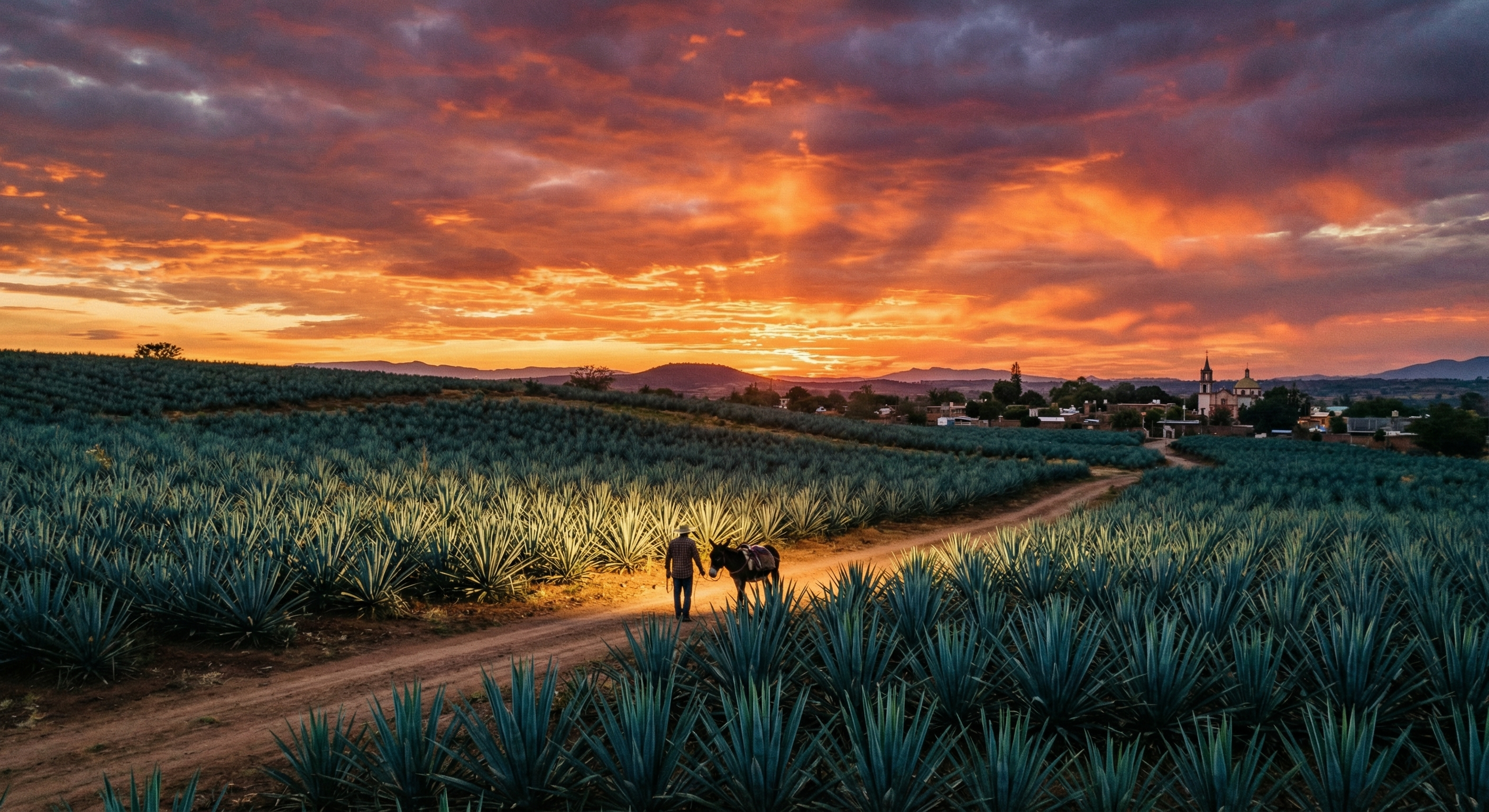
Authentic tequila is crafted from 100% blue Weber agave, cultivated in the designated regions of Mexico and certified by the Consejo Regulador del Tequila.
Each category represents a distinct character, shaped by time and oak.
Unaged or <2 months
Pure agave expression — vegetal, citrus, white pepper. The truest measure of a distillery's character. Essential for understanding a brand's soul.
2–12 months in oak
Rested and refined. Light gold hue with vanilla and caramel notes dancing alongside the agave. The versatile choice.
1–3 years in oak
Amber depths, rich wood influence. Butterscotch, dried fruit, contemplative complexity. Meant for slow sipping.
3+ years in oak
Deep mahogany, profound mellowness. Rivals fine cognac in sophistication. Reserve for significant moments.
Non-negotiable. This statement must appear clearly on every bottle worthy of your attention.
A four-digit distillery identifier (e.g., NOM 1579). Research these — some are legendary, others merely contract for mass-market brands.
Valle de Tequila agave tends earthier, more mineral. Los Altos highlands yield sweeter, fruitier notes. Neither superior — simply different.
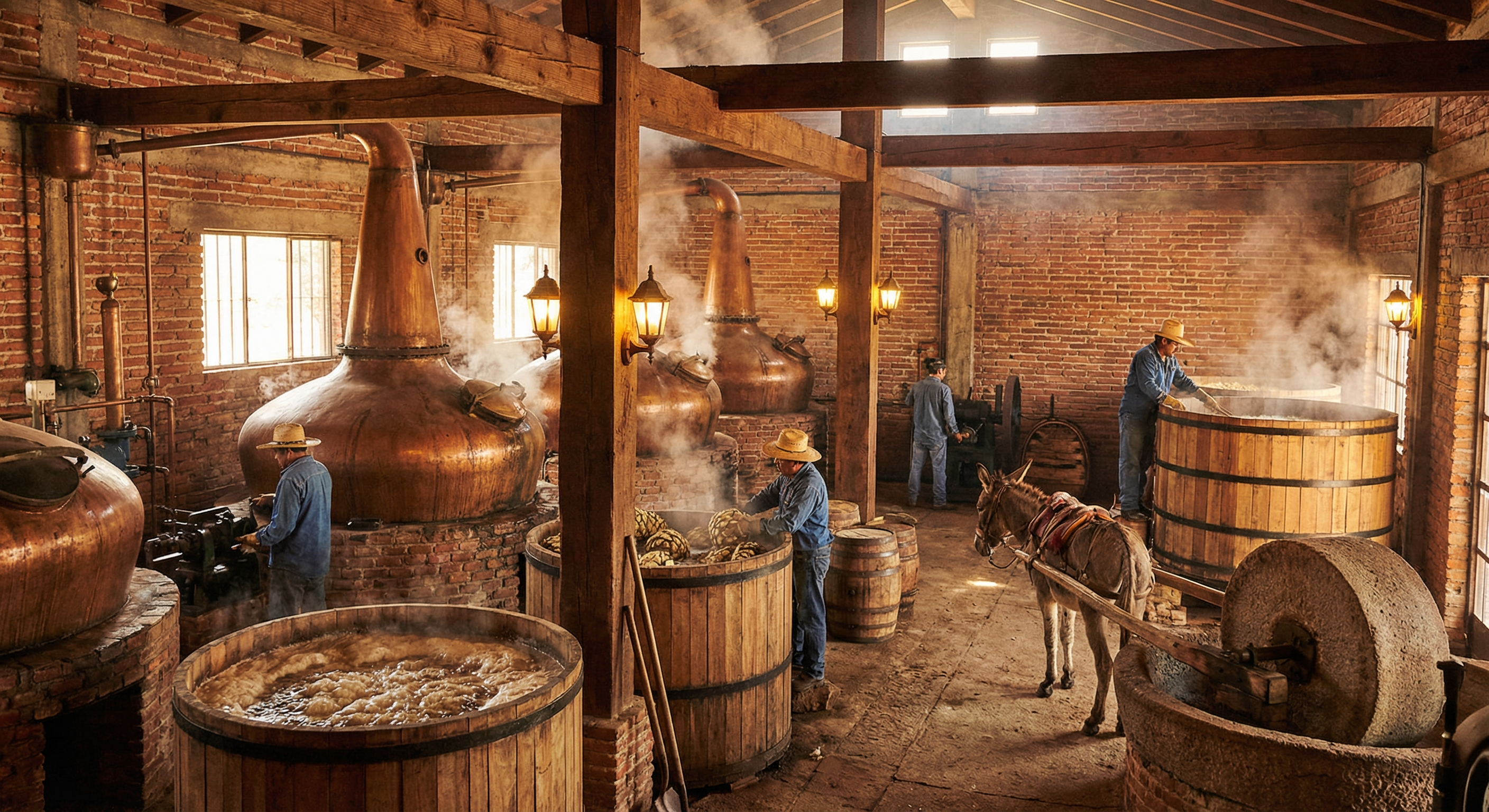
Brick ovens (horno), tahona stone wheels or roller mills, copper pot distillation. These matter. Avoid diffuser-made tequila.
Mexican law permits up to 1% undisclosed additives. Brands verified as additive-free represent the gold standard of authenticity.
These producers are known for traditional methods, quality agave, and transparency. A starting point for exploration.
NOM 1493
Family-owned, tahona-crushed, copper pot stills. The benchmark for traditional craft.
NOM 1139
Tahona production since 1937. Uncompromising heritage.
NOM 1139
Same legendary distillery as El Tesoro. Exceptional value.
NOM 1579
Felipe Camarena's modern classic. Precision and tradition.
NOM 1579
Also Camarena, brick oven, tahona option available.
NOM 1474
Single estate, vintage-dated. Terroir-focused like fine wine.
NOM 1120
Legendary producer. Once made the original Patrón.
NOM 1123
Small family distillery. Exceptional quality-to-value ratio.
NOM 1579
Highland agave, traditional methods, bold 110 proof options.
No "100% Agave" declaration — It's mixto. Not worthy of your palate.
Diffuser production — Industrial process using chemicals to extract sugars. Efficient and soulless.
Celebrity endorsements — Marketing budgets don't make good tequila. Research before purchasing.
Suspiciously smooth añejos — If it tastes like vanilla syrup with no agave character, additives are likely.
Impossibly low prices — Quality 100% agave production has costs. Bargains should raise questions.
A Riedel tequila glass, traditional copita, or quality wine glass. The lime and salt ritual exists to mask inferior mixto — unnecessary with quality spirits.
Room temperature for sipping. Chilling suppresses the aromatic compounds you're paying to experience.
Blanco shines in margaritas, palomas, and ranch water. Reserve aged expressions for contemplative sipping.
Mexican cuisine naturally, but also ceviche, grilled seafood, citrus-forward dishes, and dark chocolate.